
Ancient Rome continues to surprise historians and readers alike with its mix of advanced engineering, unusual traditions, and bizarre stories. While many people know about Roman armies and emperors, fewer are aware of the strange and fascinating details that shaped everyday life in the empire.
From heated floors to emperors declaring war on nature itself, these lesser-known facts reveal a civilization that was not only powerful but also incredibly unique.
If you enjoyed our previous article on strange Roman facts, or want to explore the rise of Julius Caesar and his campaigns in Gaul, this article expands even further into the fascinating world of Ancient Rome.
Table of Contents
- Did Romans Really Have Central Heating?
- Why Did Caligula Declare War on the Sea?
- Could the Colosseum Really Be Flooded?
- Was a Horse Really Made a Roman Official?
- What Was the Year of the Five Emperors?
1. Did Romans Really Have Central Heating?
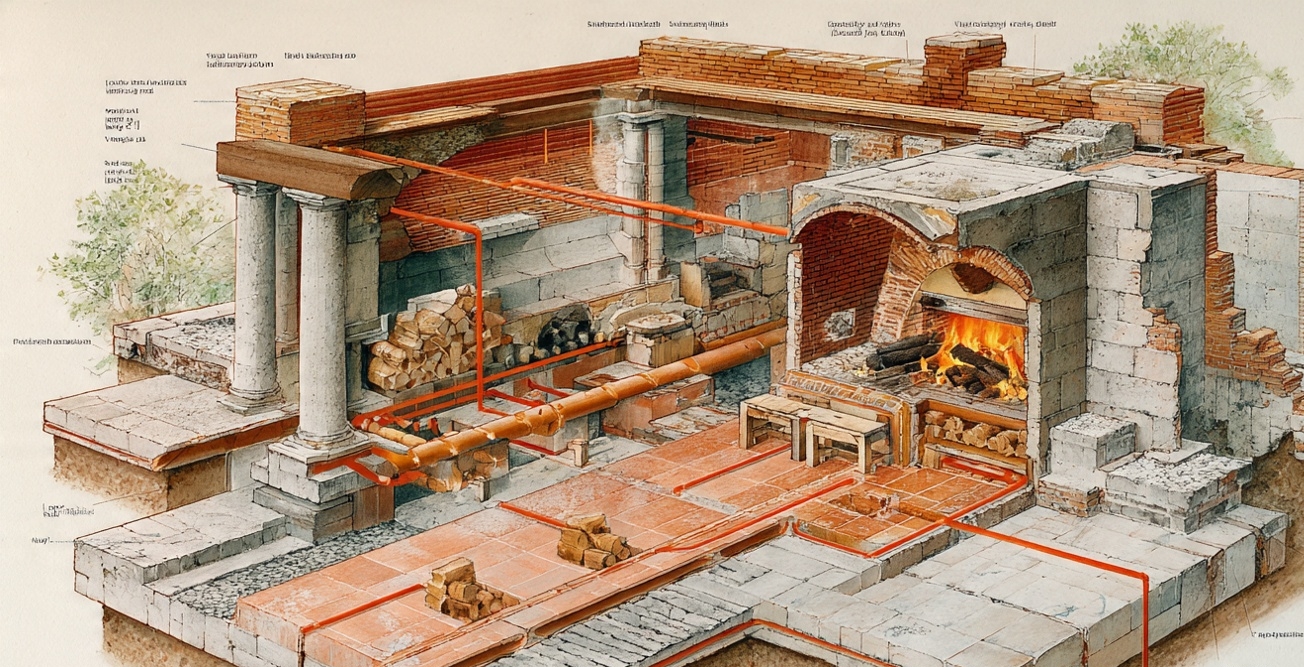
Yes, the Romans developed a surprisingly advanced heating system known as the hypocaust. This system allowed hot air to circulate beneath floors and through walls, effectively warming entire buildings.
The hypocaust worked by raising floors on small pillars, creating a space where hot air from a furnace could flow freely. This heated air would travel under the floors and rise through hollow walls, distributing warmth throughout the structure.
This system was commonly used in bathhouses and wealthy Roman villas. One of the most famous examples can be found in the Baths of Caracalla, which demonstrate just how advanced Roman engineering had become.
Compared to modern central heating systems, the hypocaust was incredibly innovative for its time. It shows that Roman engineers were not only focused on large-scale construction but also on improving daily comfort.
This level of sophistication is part of what made Roman civilization so advanced, influencing technologies that would not reappear until many centuries later.
2. Why Did Caligula Declare War on the Sea?
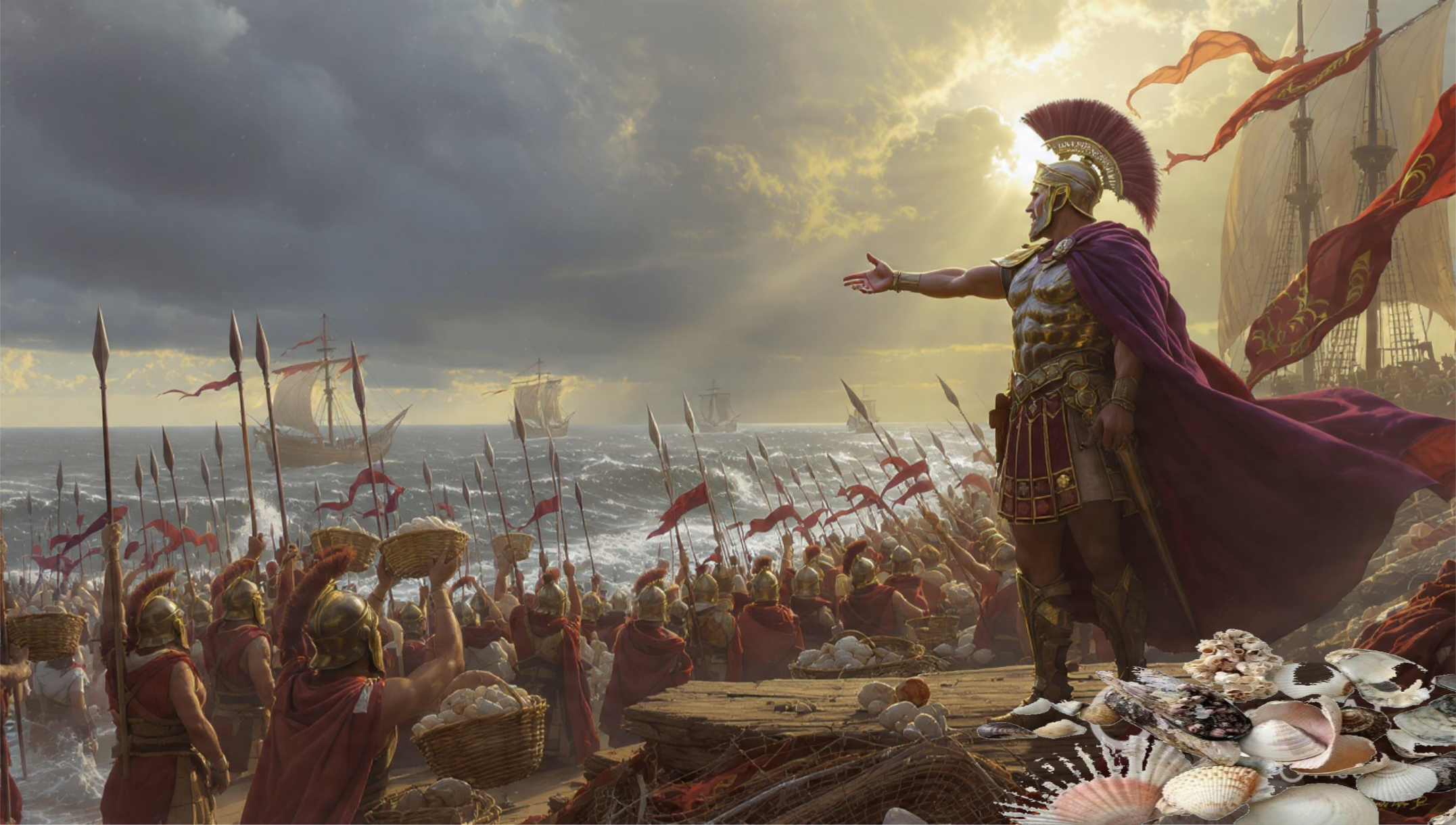
Roman Emperor Caligula is often remembered for his strange and controversial actions, but one of the most unusual stories about him involves a supposed war against the sea.
According to ancient historians, Caligula ordered his soldiers to march to the coastline and attack the waves. He then instructed them to collect seashells as “spoils of war.”
This bizarre event has puzzled historians for centuries. Some believe it demonstrates Caligula’s instability, while others argue that it may have been misunderstood or symbolic.
One theory suggests that the event was a military exercise or a way to reward soldiers without engaging in a real battle. Another interpretation is that Caligula was mocking traditional military victories.
Regardless of the true explanation, the story has become one of the most famous examples of how unpredictable Roman emperors could be.
3. Could the Colosseum Really Be Flooded?
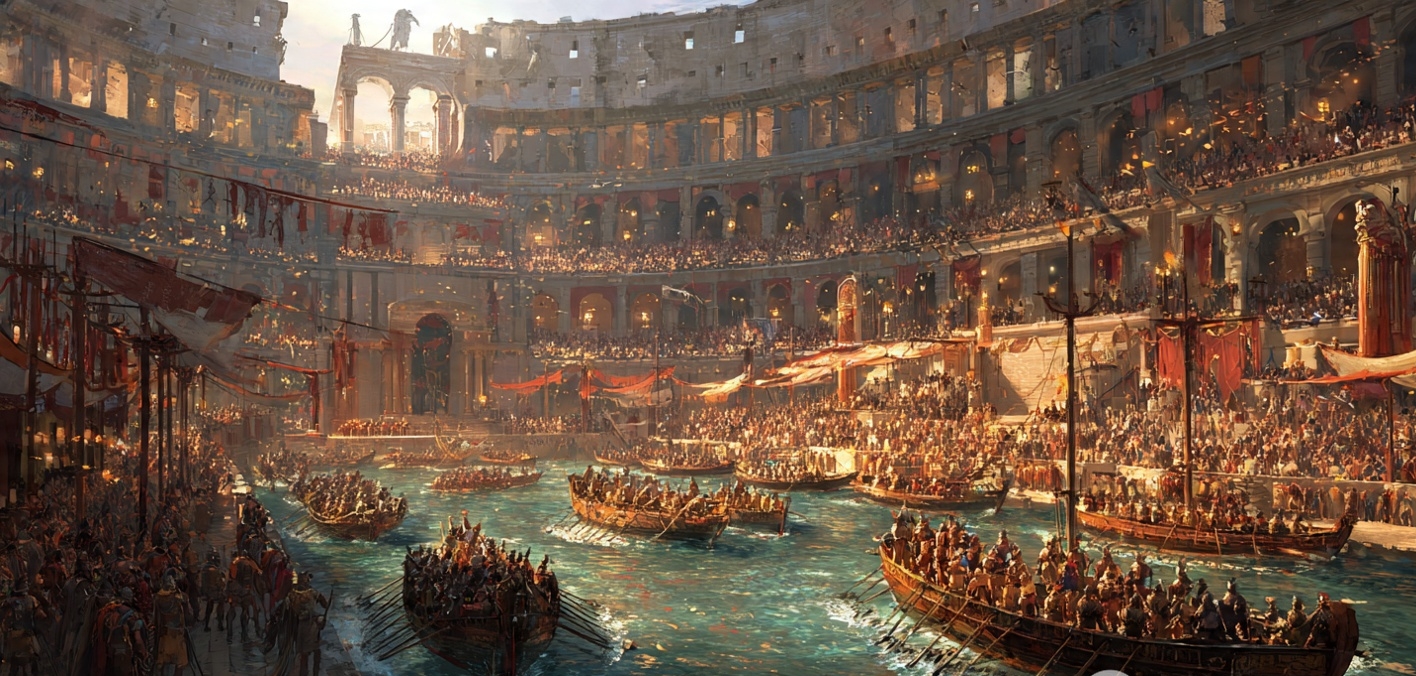
The Colosseum is one of the most iconic structures of Ancient Rome, known for gladiatorial combat and public spectacles. However, it may have also hosted something even more extraordinary—mock naval battles.
These events, known as naumachia, involved filling the arena with water and staging battles between ships. Fighters would reenact famous sea battles, creating dramatic and immersive performances.
While there is still debate among historians about how often this occurred, evidence suggests that the Colosseum may have been flooded during its early years before underground structures were added.
The logistics of flooding such a massive structure would have required advanced engineering, further highlighting Roman innovation.
These spectacles demonstrate how entertainment in Ancient Rome could be both grand and highly creative, often pushing the limits of what was technically possible.
4. Was a Horse Really Made a Roman Official?
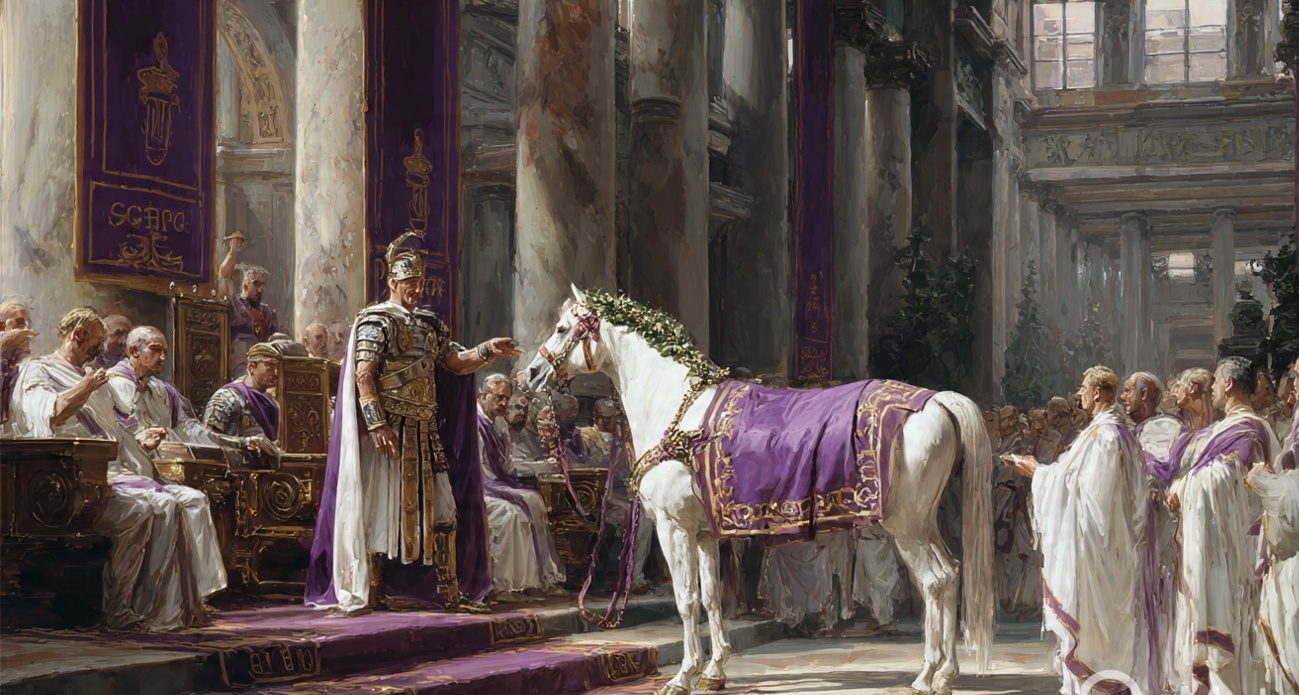
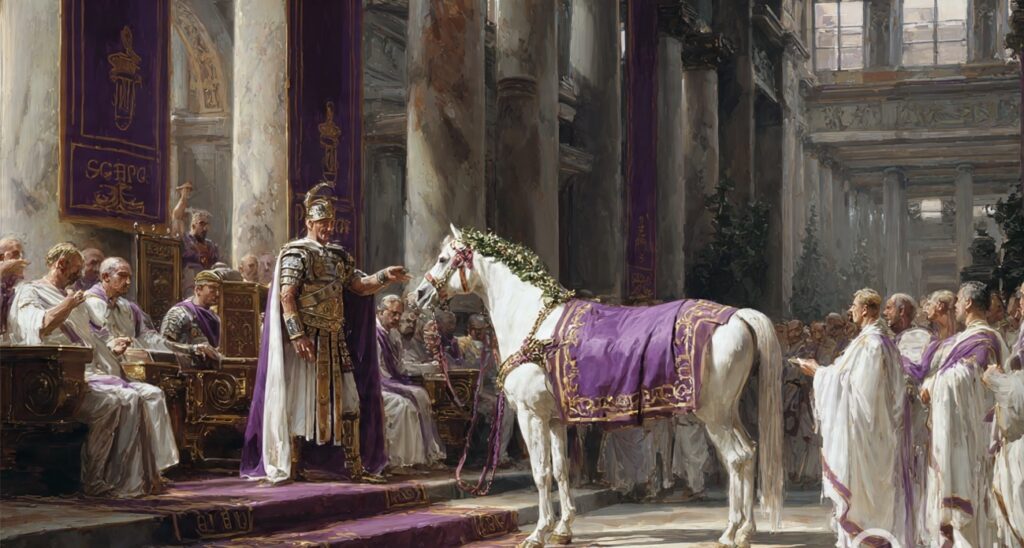
One of the strangest stories from Ancient Rome involves Caligula and his beloved horse, Incitatus.
According to historical accounts, Caligula planned to appoint his horse as a consul, one of the highest political positions in Rome.
While this might sound completely absurd, historians believe there may have been a deeper meaning behind the story.
Some suggest that Caligula was mocking the Roman Senate, implying that even his horse could perform their duties just as well. Others interpret the story as propaganda used by his enemies to portray him as irrational.
Regardless of the truth, the story highlights the tension between emperors and the Senate, as well as the power dynamics within Roman politics.
5. What Was the Year of the Five Emperors?
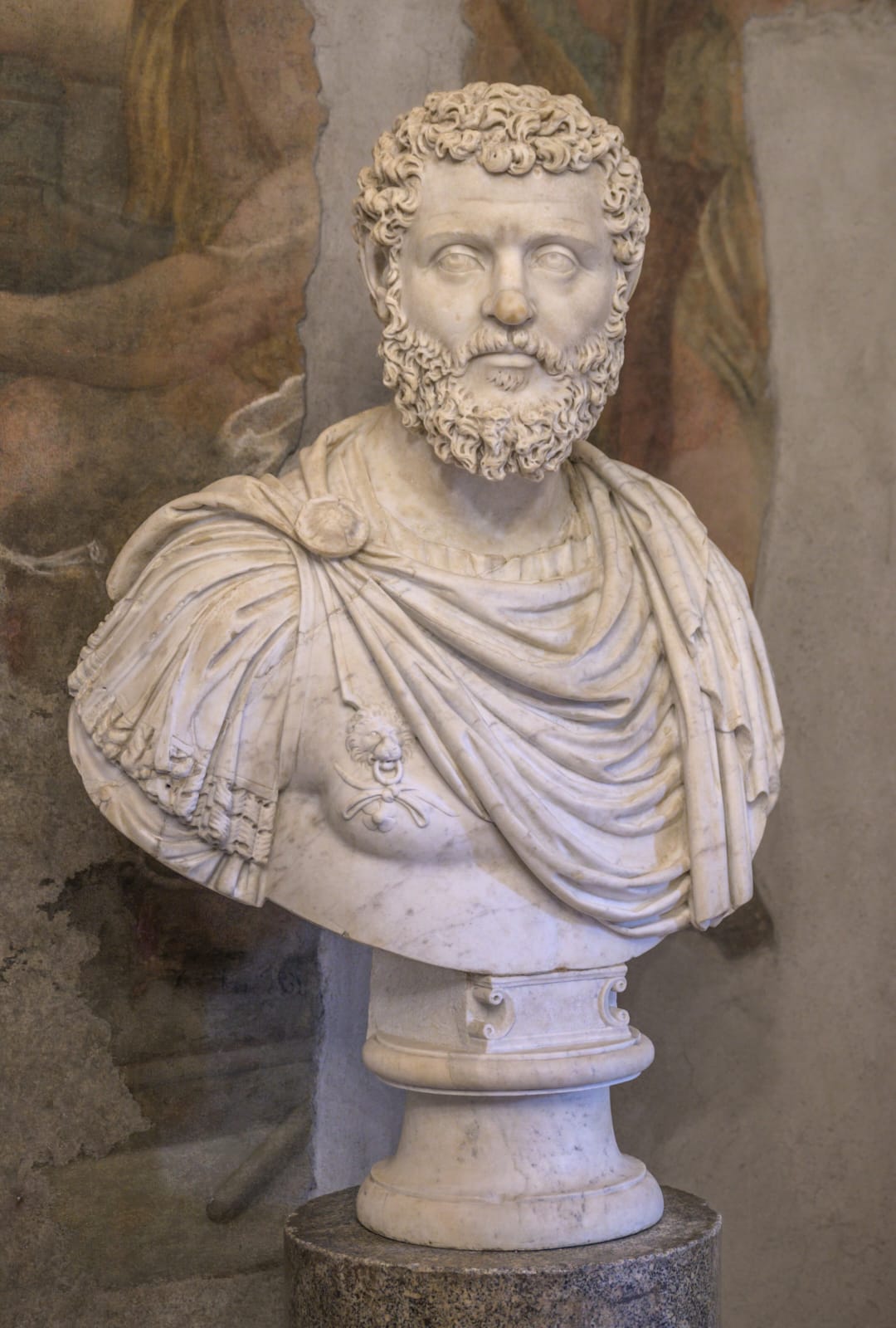
The year AD 193 is remembered as the Year of the Five Emperors, one of the most unstable and dramatic periods in Roman history. In just a single year, the Roman Empire saw five different men rise and fall in their attempts to claim ultimate power.
This chaos began after the assassination of Emperor Pertinax, who had tried to reform the corrupt Praetorian Guard. In a shocking turn of events, the Guard decided to auction off the imperial throne to the highest bidder. The winner of this unprecedented and controversial auction was Didius Julianus.
Although Didius Julianus became emperor legally through this arrangement, his rule lacked legitimacy in the eyes of the Roman people and the military. Many saw him as a symbol of corruption, as he had essentially purchased control of the empire rather than earning it through leadership or military success.
His reign was incredibly short-lived. Across the empire, powerful generals refused to accept his authority and began declaring themselves emperors. Among them were Septimius Severus, Pescennius Niger, and Clodius Albinus, each commanding strong armies and loyal followers.
As tensions escalated, the empire quickly descended into civil war. Septimius Severus, one of the most capable and determined generals, marched toward Rome with his forces. Facing overwhelming opposition and losing support rapidly, Didius Julianus was executed after ruling for only a brief period.
However, the conflict did not end there. Rival claimants continued to fight for dominance, turning the empire into a battleground of competing ambitions. Eventually, Septimius Severus emerged victorious, defeating his rivals and consolidating power.
Once in control, Severus worked to stabilize the empire, reform the military, and strengthen central authority. His rise marked the beginning of a new dynasty, but the events of AD 193 remained a powerful reminder of how quickly Rome could descend into chaos.
Why It’s Fascinating
This period highlights the fragility of even the most powerful empires. It shows how corruption, political ambition, and military power could combine to create sudden and dramatic shifts in leadership. The story of the Year of the Five Emperors serves as both a warning and a testament to the unpredictable nature of history.
Why Ancient Rome Continues to Fascinate Us
Ancient Rome remains one of the most studied civilizations in history because of its unique blend of innovation, power, and unpredictability.
From advanced technologies like the hypocaust to bizarre stories about emperors, Roman history offers a fascinating glimpse into a world that was both familiar and completely different from our own.
Figures such as Julius Caesar played a crucial role in shaping the empire, while military campaigns like those described in Caesar’s conquest of Gaul helped expand Roman influence.
Even today, Roman achievements in engineering, governance, and culture continue to influence the modern world.
Frequently Asked Questions
Did Romans really have central heating?
Yes. Romans used a system called the hypocaust, which circulated hot air beneath floors and through walls to heat buildings.
Why did Caligula declare war on the sea?
Historians debate this event. It may have been a symbolic act, a misunderstanding, or a display of unusual behavior by the emperor.
Was the Colosseum used for naval battles?
There is evidence suggesting that the Colosseum may have been flooded in its early years to stage mock naval battles called naumachia.
Did Caligula really appoint his horse as consul?
He reportedly planned to do so, possibly as a way to mock the Roman Senate rather than as a serious political move.
What was the Year of the Five Emperors?
It was a period in AD 193 when five different rulers competed for control of the Roman Empire, leading to political instability.