
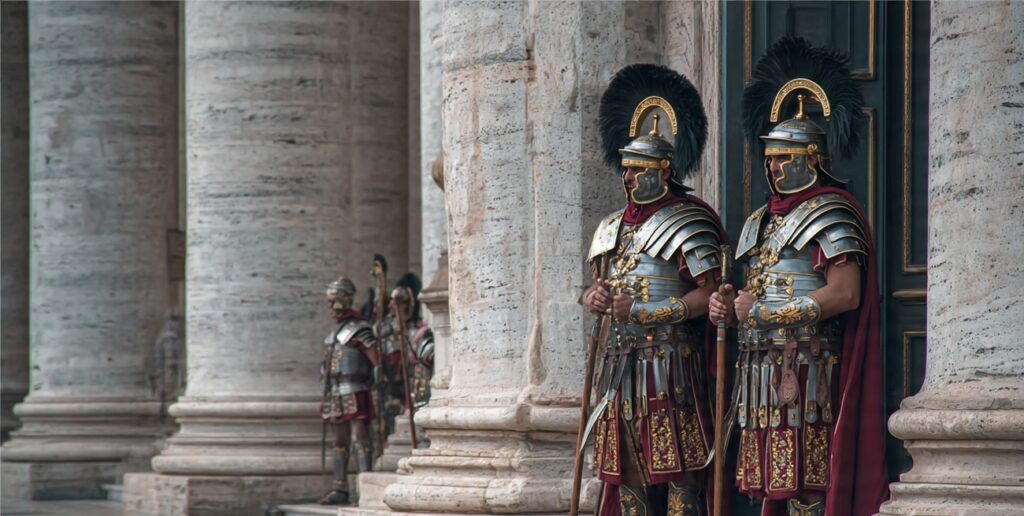
Ancient Rome was one of the most powerful civilizations in history. At its peak, the Roman Empire controlled vast territories across Europe, North Africa, and the Middle East. Roman law, engineering, architecture, and culture still influence the modern world.
However, beyond its military strength and famous emperors, Roman society was also filled with strange and fascinating practices. Some Roman habits might even sound shocking today.
From using urine to wash clothes to inventing something similar to modern fast food, these facts reveal just how unusual everyday life in Ancient Rome could be.
If you’re interested in the people who shaped Rome’s history, you can also read about the rise of Julius Caesar and how he became Rome’s most powerful leader and how his military campaigns transformed the Roman Republic during the Gallic Wars.
Table of Contents
- Did Romans Really Use Urine to Wash Clothes?
- Why Is Roman Concrete Still Standing After 2,000 Years?
- Did Ancient Rome Have Fast Food?
- Were Roman Soldiers Paid in Salt?
- How Did One Roman Emperor Buy the Throne?
- What Made Roman Society So Advanced?
1. Did Romans Really Use Urine to Wash Clothes?
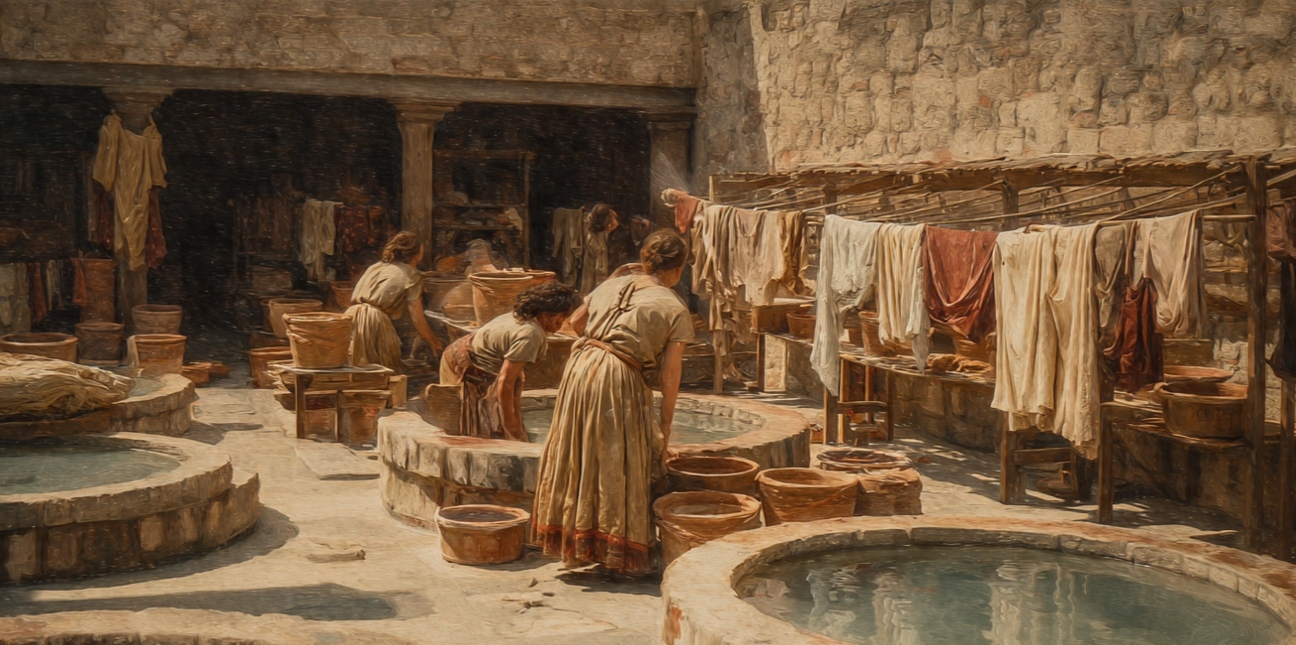
Yes, they did. It may sound strange today, but urine was an important cleaning agent in Ancient Rome.
Human urine naturally contains ammonia, which works as a powerful stain remover. Roman laundries called fullonicae collected urine from public toilets and used it to clean clothes.
Workers would place dirty garments into large tubs filled with urine and water. They would then stomp on the clothing with their feet to loosen dirt and oils.
After the washing process, the clothes were rinsed with clean water and dried. Surprisingly, this method worked quite well.
Roman Emperor Vespasian even introduced a tax on the collection of urine because laundries depended on it. When criticized for this unusual tax, he reportedly replied that money does not smell.
This story shows how practical the Romans were, even when dealing with unusual resources.
2. Why Is Roman Concrete Still Standing After 2,000 Years?
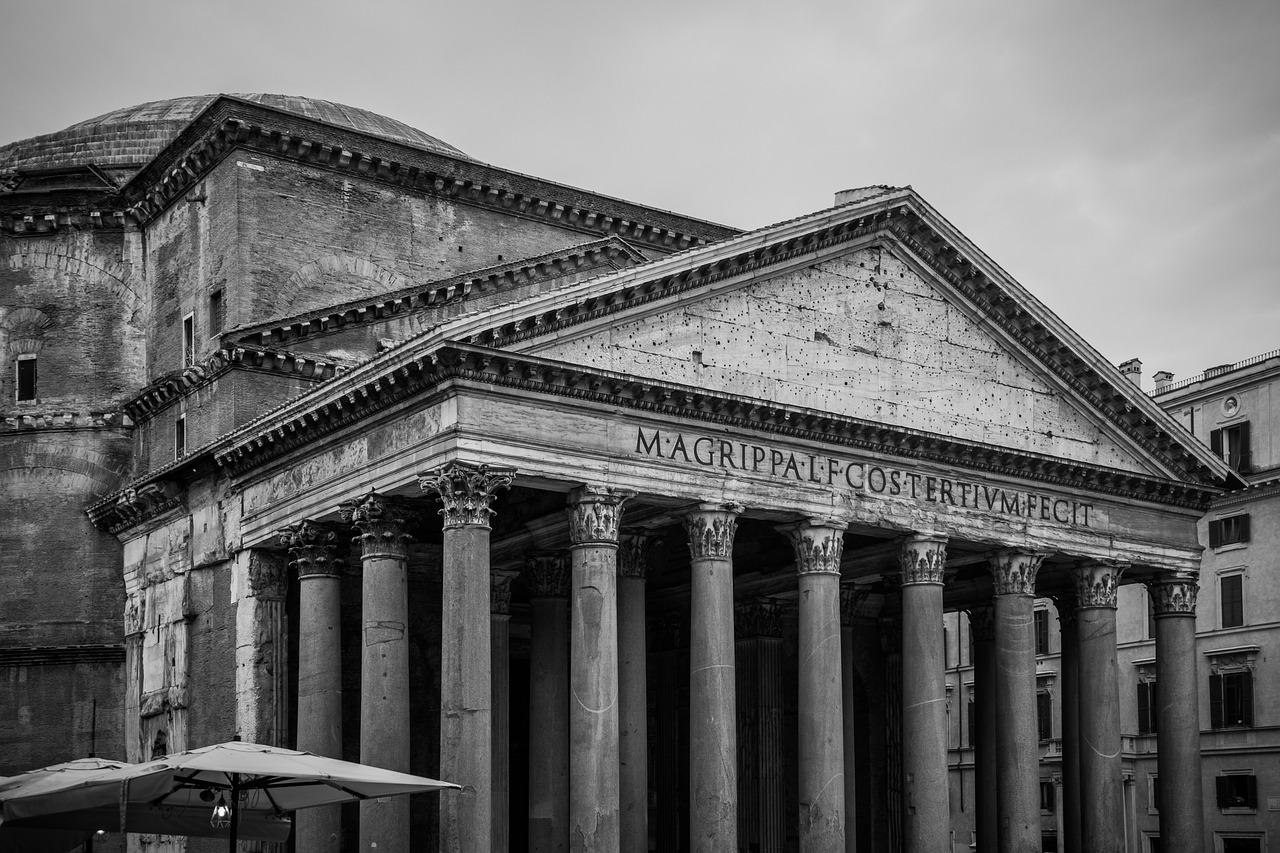
Many modern concrete structures begin to weaken after several decades. However, Roman buildings have lasted for nearly two thousand years.
A famous example is the Pantheon in Rome, which still has the largest unreinforced concrete dome in the world.
The secret to Roman concrete was volcanic ash. Romans mixed volcanic ash with lime and water to create an extremely durable building material.
When exposed to seawater, chemical reactions formed crystals inside the concrete. These crystals actually strengthened the material over time.
Modern scientists continue studying Roman concrete because it could help create more sustainable building materials today.
This incredible durability proves that Roman engineering was far ahead of its time.
3. Did Ancient Rome Have Fast Food?
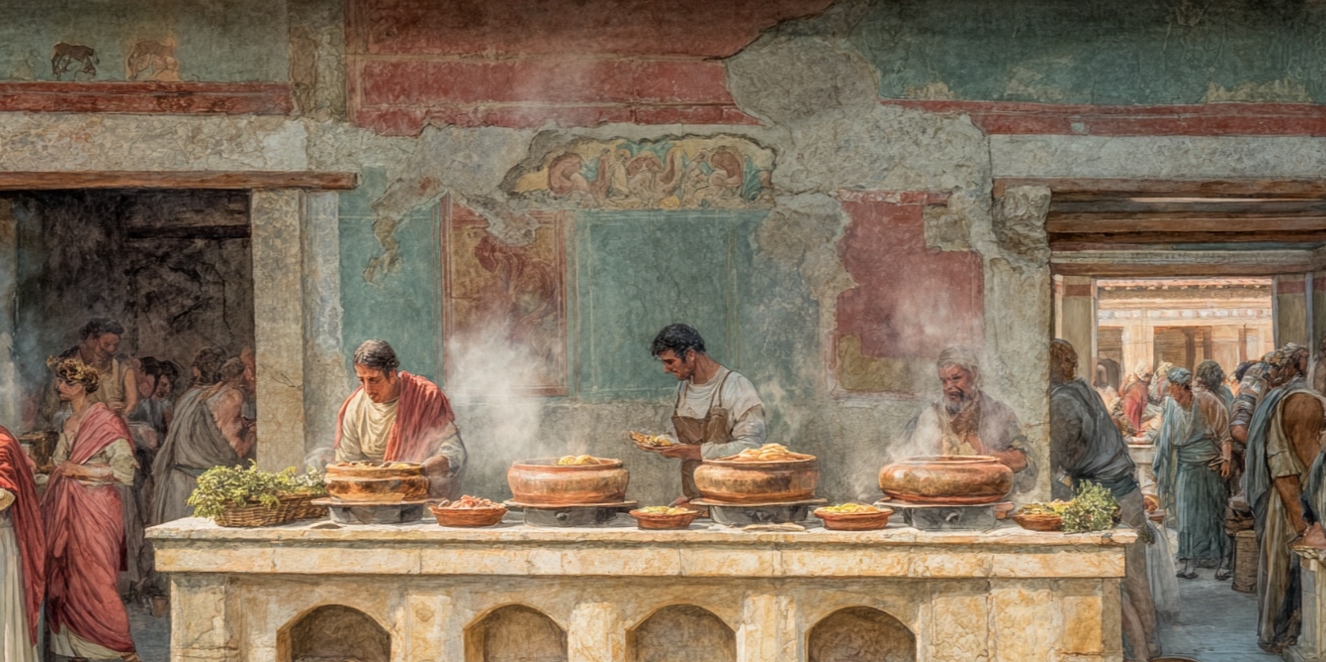
Fast food might seem like a modern invention, but something very similar existed in Ancient Rome.
Small street restaurants known as thermopolia sold ready-to-eat meals to people walking through the city.
These food stalls had stone counters with clay pots built into them. The pots contained hot meals such as stews, vegetables, lentils, and wine.
Many Roman citizens lived in apartment buildings that lacked proper kitchens, so buying ready-made food was common.
One well-preserved thermopolium was discovered in Pompeii, the Roman city destroyed by the eruption of Mount Vesuvius in AD 79.
Archaeologists found evidence of foods such as pork, fish, duck, lentils, and snails.
This discovery proves that grabbing a quick meal on the street has been part of urban life for thousands of years.
4. Were Roman Soldiers Paid in Salt?
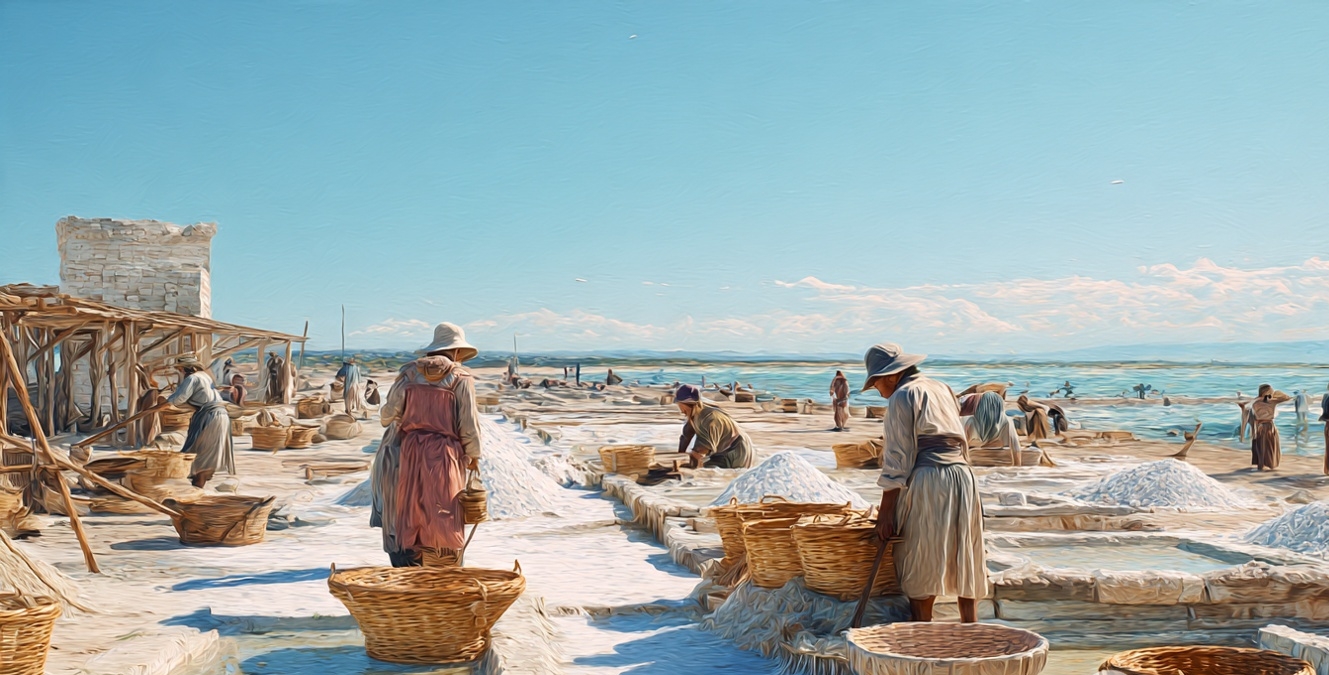
You may have heard that Roman soldiers were paid in salt. While they were actually paid in money, salt still played an important role in their compensation.
The English word salary comes from the Latin word salarium, which is related to salt.
Salt was extremely valuable in ancient times because it was essential for preserving food. Before refrigeration existed, salt was necessary to keep meat and other foods from spoiling.
Because salt was so important, allowances related to salt became connected to payments given to soldiers.
Over time, this connection influenced language, eventually leading to the modern word salary.
This fascinating linguistic connection shows how ancient economic systems still shape modern language.
5. How Did One Roman Emperor Buy the Throne?
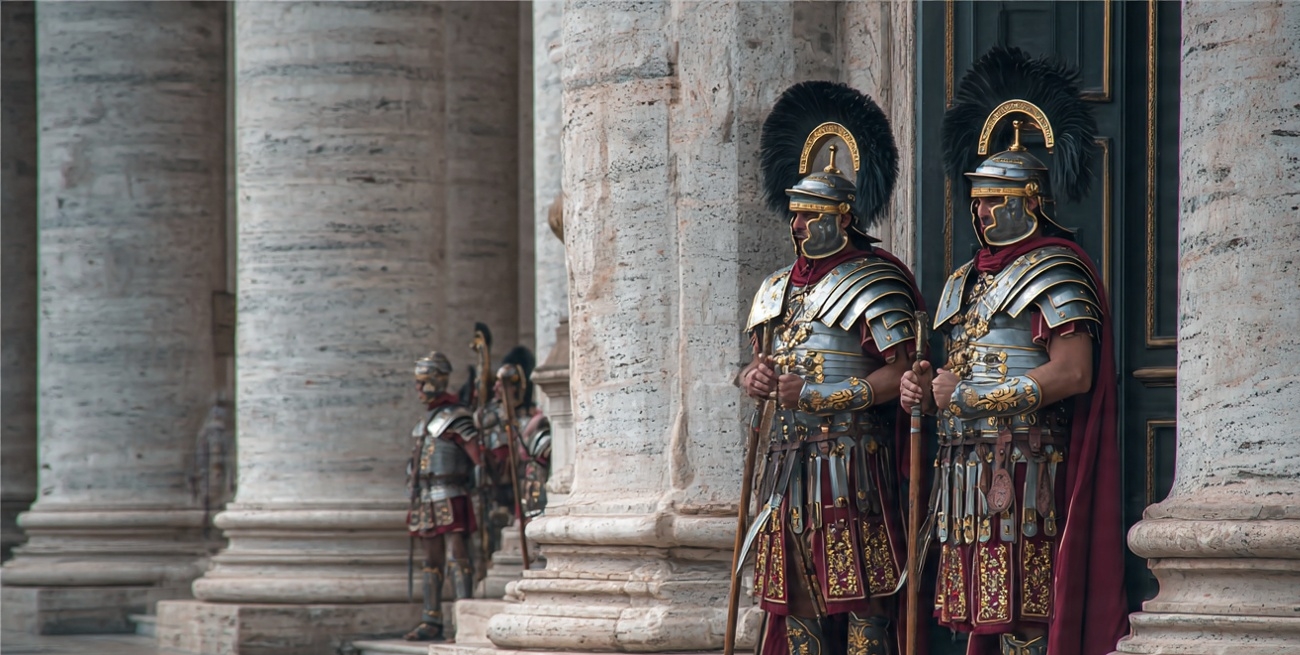
Roman politics could sometimes be chaotic and corrupt.
In AD 193, the Praetorian Guard assassinated Emperor Pertinax and decided to auction the imperial throne to the highest bidder.
A wealthy Roman senator named Didius Julianus offered the guards a huge sum of money in exchange for their support.
The guards accepted his offer and declared him emperor of Rome.
However, the Roman people and many military commanders refused to recognize his rule.
Within a few weeks, a powerful general named Septimius Severus marched toward Rome with his army.
Julianus was removed from power after ruling for only 66 days, making his reign one of the shortest in Roman history.
This bizarre episode demonstrates how unstable Roman politics could become during times of crisis.
What Made Roman Society So Advanced?
Ancient Rome was not only powerful because of its armies. The empire thrived due to its advanced infrastructure, law, and administration.
The Romans built thousands of miles of roads connecting cities across Europe and the Mediterranean. These roads allowed armies, merchants, and travelers to move quickly throughout the empire.
Roman aqueducts carried fresh water into cities, supplying public baths, fountains, and homes. Some aqueducts were so well engineered that parts of them are still standing today.
Roman law also shaped many modern legal systems. Ideas such as written legal codes, property rights, and legal contracts were developed and refined during Roman rule.
Military leaders such as Julius Caesar expanded Roman influence dramatically. His campaigns in Gaul, described in detail in this article about Caesar’s conquest of Gaul, helped transform Rome from a republic into a powerful empire.
Because of these innovations, Roman civilization continues to influence politics, architecture, engineering, and language even today.
Frequently Asked Questions
Did Romans really wash clothes with urine?
Yes. Roman laundries used urine because it contains ammonia, which works as a powerful cleaning agent that helps remove stains and oils from clothing.
Why is Roman concrete stronger than modern concrete?
Roman concrete used volcanic ash, which caused chemical reactions that strengthened the material over time, especially when exposed to seawater.
Did Ancient Rome have street food?
Yes. Street food vendors called thermopolia sold hot meals such as stews, vegetables, and wine to people who did not cook at home.
Were Roman soldiers paid with salt?
Not directly. However, the word salary comes from the Latin word related to salt, which was a valuable commodity in ancient times.
Which Roman emperor bought the throne?
Didius Julianus bought the Roman throne in AD 193 after promising a large payment to the Praetorian Guard, but he ruled for only 66 days.
Pingback: 5 More Strange Facts About Ancient Rome That Sound Almost Unbelievable – tribeora.com